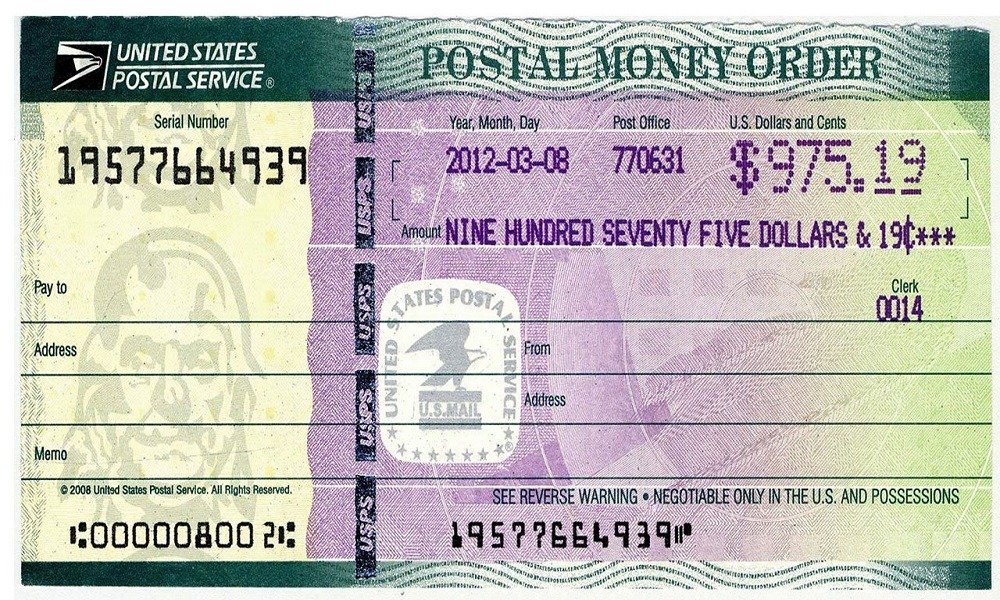
How to Fill Out a U.S. Money Order
When sending money by mail, money orders, a paper-based payment method are seen as secure substitutes for cash or personal cheques. Post offices, banks, and grocery stores are places where you can purchase money orders for a little price.
The procedure of filling out a money order, which is comparable to writing a check, is covered in this step-by-step guide along with what to do both before and after.
Remember that different money order providers may have different instructions for filling them out because not all money orders have the same appearance. It is also important to note that the money order provider enters the date and amount.
Steps to Fill Out a Money Order
- Write the name of the payee
- Sign your name
- Provide your address
- Fill in the memo line
1. Write the Name of the Payee
Enter the name of the individual, company, or organization receiving the money order where it states “Pay to the order of” (or something similar). For instance, you would write Jeff Smith’s name on the “Pay to the order of” line if you were sending money to a man named Jeff Smith who was selling you a piece of art.
Make sure the payee’s name is spelled correctly. Once a money order has been processed, it cannot be changed. The recipient may probably have problems cashing the money order if you fill out the payee’s name incorrectly and do not correct it.
2. Sign Your Name
You will sign your name where the words “From,” “Purchaser,” “Remitter,” or “Sender” appear. The money order’s front will bear the signature. The money order has a space on the back where the recipient can sign their name.
3. Provide Your Address
Usually, you have to write your mailing address next to your name. The payee’s address may also be able to be written there.
4. Fill in the Memo Line
You might think about filling in the memo line, however it is not required. An account number, order number, or the money order’s purpose can all be entered here.
What to Do Before Filling Out a Money Order
Here are the steps to take before filling out a money order:
- Choose where to purchase the money order. A post office, bank, drugstore, convenience shop, convenience store, check-cashing business, or money transfer business (like Western Union or MoneyGram) are some of the choices. Before deciding where to buy the money order, make sure to review the costs.
- Select the money order’s amount. Generally speaking, you are restricted to a specific sum of money, usually around $1,000. This is the sum that you will pay the receiver and that will show up on the money order.
- Make the money order payment. To pay for the money order and any associated fees, you will need cash, a debit card, or a credit card. The costs often fall between 65 cents and $5. Make sure your preferred mode of payment is accepted by checking the policies of the place you are buying one. For instance, credit cards cannot be used to purchase money orders from the U.S. Postal Service.
What to Do After Filling Out a Money Order
After you fill out the money order, follow these steps:
- Save the receipt. After tearing the receipt from the money order, put it somewhere secure. You purchased the money order, as evidenced by the receipt. You can show the money order vendor the receipt if there are any issues. To assist you in determining when the beneficiary deposits or cashes the money order, the receipt may additionally include a tracking number.
- Forward the money order. You can either give the money order to the payee in person or mail it to them. Keep track of any delivery details in case the money order is not received by the payee.