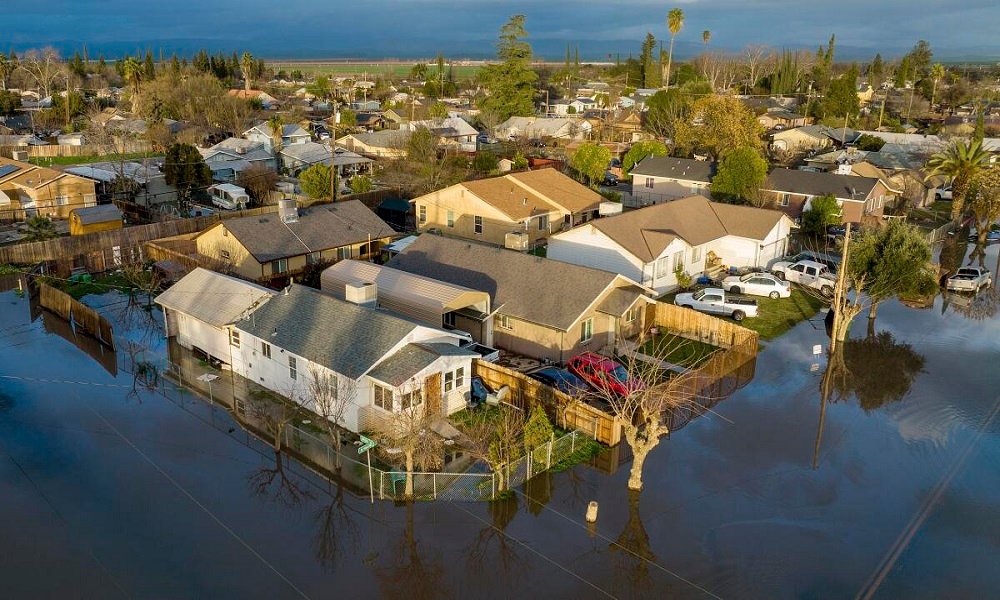
Southern California recently faced a powerful deluge, resulting in widespread flash flooding and destructive mud flows that have significantly impacted communities across the region. With heavy rains causing rivers to overflow and saturating the already dry ground, the aftermath has left many residents grappling with the immediate dangers of flooding and the long-term consequences of erosion and debris flows. The causes of this severe weather event, its effects on infrastructure and public safety, the emergency response efforts undertaken, and the historical context of flooding in the area, while also considering future implications in the face of climate change.
Overview of the Southern California Deluge
Southern California has recently been on the receiving end of a deluge that left many residents scratching their heads and reaching for their galoshes. What started as a typical sunny SoCal day quickly turned into a wet and wild adventure, complete with flash flooding and mud flows that seemed to come out of nowhere. So, what’s the scoop on this soggy situation?
Recent Weather Patterns
In the past few weeks, Southern California has experienced a rollercoaster of weather, with heavy rains unexpectedly pouring in like they were trying to make up for all the sunny days. These rainstorms have brought not just a refreshing splash but also a chaotic surge in water levels, leading to localized flash flooding that has left neighborhoods drenched and, at times, downright untenable.
Geographic Areas Affected
From the sun-soaked beaches of Malibu to the rugged mountains of San Bernardino, no corner of Southern California was spared. Areas such as Los Angeles, Ventura, and San Diego found themselves grappling with torrents of rain, turning roads into rivers and picturesque parks into muddy pits. Satellite images showed swirling clouds raining down fury in regions that usually bask in the sun, leaving residents both shocked and soaked.
Causes of the Heavy Rains
What on earth caused this sudden downpour? Well, Southern California isn’t just blessed with beachy weather; it also occasionally gets hit by some pretty intense storms. Buckle up as we dive into the science behind this soggy spectacle!
Atmospheric River Events
Enter the atmospheric river, the moisture-laden highway in the sky. These phenomena transport enormous amounts of water vapor from the tropics, crashing into the rugged terrain of California and unleashing torrential rains in their wake. Think of it as nature’s very own water slide, providing endless hydration to the parched lands below albeit with a side of chaos.
Seasonal Influences
During the fall and winter months, Southern California often deals with seasonal weather changes that can amplify storm activity. The combination of shifting temperatures and ocean currents can lead to conditions ripe for heavy rainfall. It’s like Mother Nature’s mood swings come to life, and we’re all along for the ride, hoping for sunshine but sometimes getting an uninvited downpour instead.
Impact of Flash Flooding
With great rain comes great responsibility or rather, great challenges. Flash flooding can play havoc on everything from roads to homes, leaving a trail of destruction in its wake. Let’s unpack what this means for the affected communities.
Damage to Infrastructure
The infrastructure in many areas took a serious beating. Roads were transformed into raging rivers, bridges found themselves underwater, and drainage systems quickly became overwhelmed. Finding yourself in a car struggling to swim down what used to be a road is definitely not on anyone’s to-do list, and repairs are now a top priority for local governments scrambling to restore order.
Threats to Public Safety
Flash floods pose serious risks to public safety no one wants to be swept away by a surprise deluge. Evacuations were ordered in several regions, and emergency services were kept on high alert. It’s a wild reminder that nature doesn’t play by anyone’s rules, and staying informed and prepared is key to keeping safe when the heavens open up.
Consequences of Mud Flows
When the rains cease, the mud begins to flow. These sludgy slides can bring along a whole host of problems, leaving communities more than just a little muddy.
Environmental Damage
Mud flows can smother landscapes, burying plants and trees under tons of sediment. This not only disrupts the local ecosystem but also often leads to a loss of habitat for various species. It’s a gruesome cycle where the beauty of nature is compromised by its own fury, leaving scars on the earth that can take years to heal.
Impacts on Wildlife
Wildlife doesn’t just shrug off a mud flow with a casual “no worries, mate.” Animals can find themselves trapped in the muck, losing their homes and access to food sources. Birds, mammals, and insects alike may face tough times as they navigate this new, less hospitable environment. Efforts to rehabilitate and restore affected habitats will play a crucial role in helping local wildlife reclaim their homes after the storm passes.
Emergency Response and Preparedness
Role of Local Authorities
When heavy rain fills the sky and lakes start popping up where driveways used to be, local authorities swing into action faster than a barista at a morning rush. First responders, including police, firefighters, and emergency management teams, work diligently to monitor flooding conditions, issue warnings, and assist in evacuations if needed. Agencies such as the National Weather Service keep a close eye on storm patterns, ready to issue alerts that keep everyone informed and if you think weather alerts are overly dramatic, just wait until you get a flash flood warning while you’re stuck in traffic.
Community Preparedness Initiatives
Southern California isn’t all beach vibes and sunshine; sometimes, it’s flash floods and mud flows. Community preparedness initiatives are vital and not just for the sake of a good Instagram story. Local governments and organizations run workshops, distribute emergency kits, and host sandbagging events, all in the name of flooding readiness. Residents are encouraged to map out escape routes, gather supplies, and form buddy systems because nothing says “I’ve got your back” like having a friend who knows how to properly stack sandbags.
Historical Context of Flooding in Southern California
Notable Past Flood Events
Southern California has a fun (yet scary) history with flooding that could rival any suspense thriller. The 1938 Los Angeles Flood was a real page-turner, wreaking havoc and leading to significant changes in infrastructure. Fast forward to the early 2000s, where the El Niño phenomenon reminded everyone that rain can come down in buckets. These events serve as stark reminders that despite our best intentions, Mother Nature occasionally indulges in an epic waterworks performance.
Changes in Land Use and Urbanization
As Southern California expanded from sleepy towns to bustling urban centers, the natural landscape was dramatically altered. Increased land development has paved over soil that used to soak up water faster than a sponge, leading to increased runoff and flooding. When you’ve got more concrete than greenery, it’s no wonder the rain picks up speed, rushing down roads faster than a kid racing to the ice cream truck. Urban planning that prioritizes green spaces and drainage solutions is essential for sidestepping future flooding woes.
Future Predictions and Climate Considerations
Climate Change Impacts
As if we needed another reason to take climate change seriously, rising temperatures and changing weather patterns mean our rainy days are about to get a bit more dramatic. Experts predict that Southern California will face more intense rainfall, making flash flooding a regular headline. All of this points to the fact that we need to buckle up and prepare because climate change isn’t just a Buzzfeed article; it’s a reality we need to face with a sturdy pair of galoshes.
Forecasting Tools and Technology
Fortunately, we live in an age where technology is the superhero we didn’t know we needed. Advanced forecasting tools and satellite imaging are now helping meteorologists predict storms with more accuracy, giving us a fighting chance against floods. Local weather apps have upgraded from vague cloud emojis to actual windy graphics, so we can keep those umbrellas at the ready. Drones, computer models, and predictive analytics are the new vaudeville acts, helping us forecast nature’s performances before the curtain rises.
Community Recovery and Resilience Efforts
Support for Affected Residents
After the deluge, community spirit shines brighter than a newly washed car. Local organizations often step up to support those affected by floods, offering everything from food pantries to temporary housing. Community outreach efforts and volunteer programs mobilize quickly, proving that the goodness of humanity can shine even when skies are gray. It’s a classic tale of “we’re all in this together,” minus the cheesy music video.
Long-Term Recovery Plans
Recovery is a marathon, not a sprint, and Southern California is all about pacing itself for the long haul. Local governments are increasingly developing long-term recovery plans, focusing on rebuilding infrastructure with flood resiliency in mind. This means smarter designs, better drainage systems, and enhancing green spaces to absorb excess rainwater. It’s a commitment not just to bounce back, but to rebound stronger than ever because who better to weather the storm than a place that knows how to throw a fabulous beach party?As Southern California navigates the aftermath of this recent deluge, the resilience of its communities will be tested in the face of ongoing challenges posed by extreme weather events. While recovery efforts are underway, the lessons learned from this experience will be crucial in shaping future preparedness and response strategies. By fostering a culture of awareness and resilience, residents can better safeguard their homes and neighborhoods against the unpredictable nature of climate change and its associated impacts.
FAQ
What are the main causes of the recent heavy rains in Southern California?
The recent heavy rains in Southern California were primarily caused by atmospheric river events, which bring moisture-laden air from the Pacific Ocean. Seasonal influences, including warmer ocean temperatures, have also contributed to the intensity of these rainfall events.
How can residents prepare for flash flooding and mud flows?
Residents can prepare for flash flooding and mud flows by staying informed about weather forecasts, creating an emergency plan, assembling an emergency kit, and understanding their evacuation routes. It is also essential to clear drainage systems around homes and to avoid building in flood-prone areas.
What resources are available for those affected by the flooding?
Affected residents can access various resources, including local emergency services, disaster relief organizations, and community support programs. Local governments often provide information on recovery assistance, temporary housing, and financial aid for those impacted by flooding.
How does climate change affect the frequency of flooding events in Southern California?
Climate change is contributing to an increase in the frequency and intensity of extreme weather events, including heavy rainfall and flooding. Warmer temperatures can lead to more moisture in the atmosphere, resulting in significant rainfalls during storms, which can overwhelm infrastructure and lead to flooding.