US Confirms Airstrike on Islamic State Militants in Northwest Nigeria
The US just announced it hit Islamic State militants hard in northwest Nigeria. This airstrike marks a bold move in the fight against terror groups spreading across West Africa. You might wonder why this spot matters so much it’s a hotspot where groups like ISWAP gain ground, threatening lives and stability far beyond borders.
Nigeria has seen these militants grow stronger in recent years. They recruit locals hit by poverty and grab control of remote areas. The US strike shows a direct hand in stopping this spread, tying into a larger plan to keep terror from taking root.
The Confirmed Military Operation: Details and Context
Official US Confirmation and Source Attribution
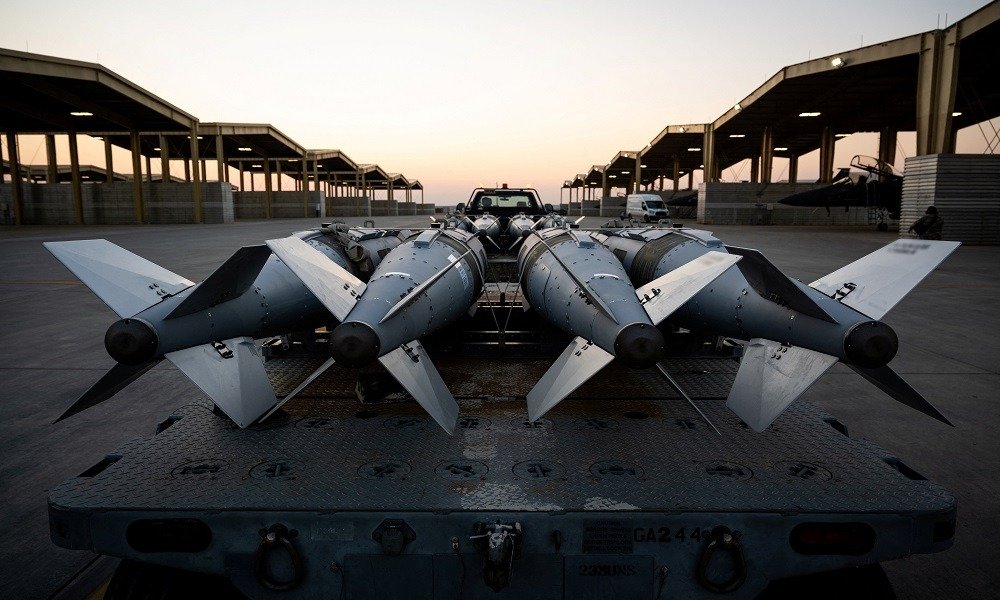
US Africa Command, or AFRICOM, put out the word on this strike last week. They said it happened in late November 2025, right as dry season kicked in. No militants escaped, and AFRICOM shared a short statement praising the team’s quick work.
Details point to a drone from a base in the region. Officials kept some parts secret for safety reasons. Eyewitness reports from locals match the US timeline, adding weight to the claim.
This isn’t the first time AFRICOM steps up like this. Past ops in nearby spots set the stage for such actions.
Target Identification: Islamic State in the Greater Sahara (ISGS) vs. ISWAP
The strike zeroed in on ISWAP fighters, a branch of Islamic State West Africa Province. These guys link up with ISGS cells that cross from Niger into Nigeria. It’s tricky because their ops blend together in border zones.
ISWAP focuses on big attacks and resource grabs in Nigeria. Before this hit, they posed real danger with raids on villages and troops. Think of them as weeds in a garden hard to pull out when roots spread wide.
Experts say ISWAP split from older groups to run smoother. Their threat ramps up with better weapons from across the desert.
Geographical Focus: Northwest Nigeria and Border Regions
The action took place in Sokoto State, a dusty area near the Niger line. Maps show it’s full of villages and scrubland, perfect hideouts for fighters. Militants use these spots to launch hits and vanish fast.
Northwest Nigeria turned hot due to bandit gangs mixing with jihadists. They fight over cattle and land, pulling in global terror cash. This nexus makes the place a key front in the war.
Local folks suffer most from clashes over water and grazing. The strike hit a camp there, cutting off supply lines for the group.
Strategic Implications of US Military Intervention
Shifting US Counterterrorism Posture in the Sahel/West Africa
This op signals a change in how the US handles threats in West Africa. After pulling back troops from some Sahel spots earlier this year, focus shifted to targeted hits like this. It beats waiting on local forces alone.
Before, the US leaned on partners for most work. Now, direct strikes fill gaps where allies struggle. Rules allow these moves under broad anti-terror laws, even outside hot zones.
You can see it as a chess play quick strikes to disrupt without full boots on ground.
Impact on Local Security Dynamics and Civilian Safety
Precision hits carry risks in busy areas like this. Reports from groups like Amnesty International note no confirmed civilian deaths so far. But drones can miss in sandstorms or crowds.
The strike likely crippled that cell’s plans for months. Fighters lost gear and leaders, slowing raids. Still, it might push survivors to hide deeper in villages.
Local safety hangs on quick follow-up. Without it, anger could brew and boost recruitment.
Bilateral Relations: US and Nigerian Security Cooperation
US and Nigerian forces shared intel before the strike, sources say. Nigerian Air Force scouts helped spot the target. This teamwork builds on years of joint drills.
Deeper ties mean more US aid, like training for troops. It strengthens defense pacts against shared foes. Nigeria welcomes the help but wants a say in ops.
Think of it as neighbors teaming up on a fire—better together than alone.
The Evolving Threat Landscape of Islamist Insurgency
Operational Modus Operandi of Targeted Groups
ISWAP relies on kidnaps to rake in cash, grabbing dozens at a time for ransom. They rustle cattle herds, selling them to fund buys of guns and trucks. Bases face bold assaults, with suicide blasts and ambushes.
Data from ACLED shows attacks up 25% in northwest Nigeria since 2023. UN reports link this to better smuggling routes. These tactics keep them alive and expanding.
It’s like a virus spreads quiet until it hits hard.
Comparative Analysis with Other Regional Threats
In northeast Nigeria, Boko Haram scraps for scraps, weaker than before. ISWAP edges them out with slicker ops and foreign ties. Northeast sees more bombings, but northwest deals with hit-and-run bandits joined by jihadists.
Around Lake Chad, groups split into cells for survival. Sahel zones see ISGS push south, blending threats. Think tanks like the Council on Foreign Relations note this shift fragments the fight.
Why focus northwest now? It’s where new dangers brew fastest.
Future Outlook and Recommended Stabilization Strategies
Requirements for Sustainable Counter-Insurgency Success
Strikes alone won’t cut it; you need smart intel to spot threats early. Talk to communities to learn who’s joining why fix jobs and schools to dry up recruits. Tackle root causes like poor farms and feuds over land.
Here’s what works:
- Share tips between US, Nigeria, and neighbors via joint centers.
- Train locals in quick response teams for border watch.
- Boost aid for herders to cut bandit appeal.
Without these, militants just pop up elsewhere.
Long-Term US Engagement Commitments
The US might ramp up drone flights and trainer sends after this win. Expect more gear drops, like night-vision tools for Nigerian units. Tech help could track phones and trucks better.
Nigeria needs strong local governments to hold ground. Reform police and courts to build trust. US cash could fund that if tied to real change.
It’s a marathon strikes start it, but steady work finishes.
Conclusion: A Single Strike in a Protracted Conflict
This US airstrike against Islamic State militants in northwest Nigeria stands as a clear win. It disrupts a growing threat and shows global resolve. Yet, it’s one piece in a long battle against insurgency.
Key points boil down to this: Direct action saves lives now, but lasting peace demands teamwork on intel, aid, and fixes for poverty. West Africa needs that full push to tame these groups for good.