Canadians Rush to Buy Stockpiles of Boycotted U.S. Liquor
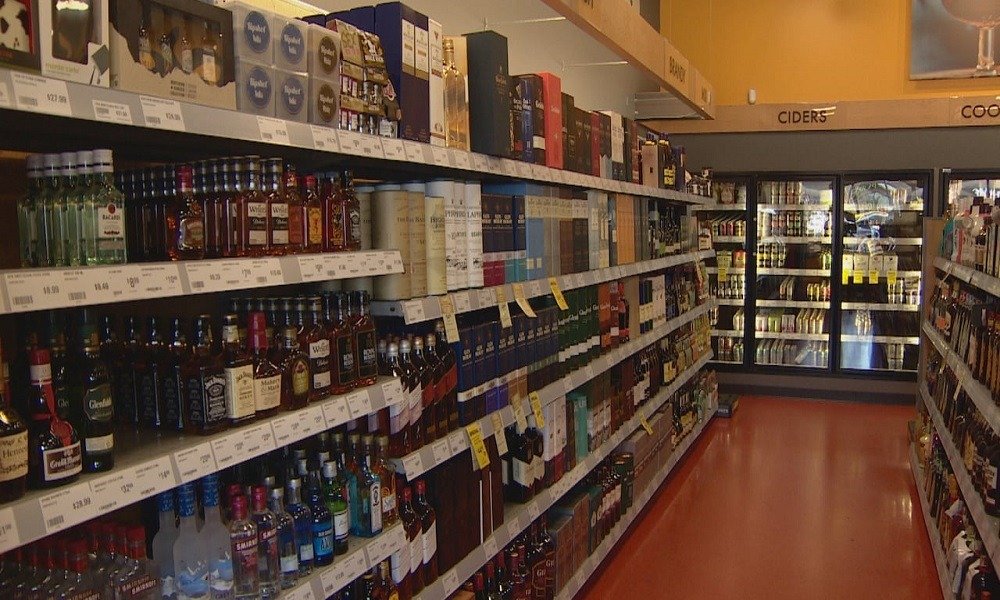
Canadians across the country are rushing to purchase remaining stockpiles of U.S. made liquor as provincial agencies and retailers move to boycott American alcohol products. What began as a symbolic political response has quickly turned into a consumer frenzy, with shoppers clearing shelves of popular American whiskey, bourbon, vodka, and tequila brands before they disappear from stores.
The surge in demand highlights the complex relationship Canadians have with U.S. products, particularly in the alcohol market, where American brands have long held strong loyalty among consumers. As boycotts expand and inventories shrink, both retailers and customers are scrambling to adjust.
Why U.S. Liquor Is Being Boycotted
The boycott of U.S. liquor stems from escalating political and trade disputes between Canada and the United States. In response to recent policy decisions and economic pressures, several provincial governments and liquor authorities announced plans to reduce or completely halt the sale of American-made alcohol in publicly run stores.
While officials have framed the move as a strategic economic response, the impact has been felt immediately at the consumer level. Liquor control boards in multiple provinces confirmed that new orders of U.S. products have been paused, meaning existing inventory is all that remains available to customers.
Shelves Clearing at Record Speed
Retail workers report that shelves once filled with well-known American brands are now bare or nearly empty. Bourbon and Tennessee whiskey, in particular, have been among the fastest-selling categories. Shoppers have been buying multiple bottles at once, often asking staff how long supplies are expected to last.
In major urban centres, some stores sold through weeks’ worth of inventory in a matter of days. Smaller communities, with more limited stock, saw American liquor disappear even faster. Social media has further fueled the rush, with users sharing photos of emptied shelves and encouraging others to “buy now before it’s gone.”
Consumer Reactions: Politics vs. Preference
The buying frenzy reveals a divide among Canadian consumers. Some shoppers say they are stocking up because they strongly prefer certain U.S. brands and fear they may not be available for months or longer. Others admit they are conflicted supporting the boycott in principle but unwilling to give up their favorite drinks.
“I understand the message behind the boycott,” said one shopper in Toronto, “but I’ve been drinking the same bourbon for years. I don’t know when or if it will be back.”
At the same time, a growing number of Canadians are deliberately avoiding U.S. liquor and turning to domestic alternatives as a show of support for Canadian producers.
Impact on Canadian Distillers and Importers
Canadian distilleries are experiencing a surge in interest as consumers look for substitutes. Sales of Canadian whisky, vodka, and craft spirits have increased noticeably since the boycott announcements. Industry experts say this could represent a long-term opportunity for local producers to gain market share traditionally dominated by U.S. brands.
However, importers and distributors that specialize in American liquor are facing uncertainty. With orders paused and inventory dwindling, some businesses worry about lost revenue and strained relationships with U.S. suppliers if the boycott continues for an extended period.
Provincial Differences in Enforcement
The pace and scope of the boycott vary by province, creating confusion among consumers. Some provincial liquor boards have removed U.S. products entirely from shelves, while others are allowing existing stock to sell through naturally.
This uneven approach has led to cross-border shopping within Canada, with consumers traveling to provinces or regions where U.S. liquor is still available. Online resale markets have also seen a spike in listings, raising concerns about price gouging and unregulated sales.
Economic and Diplomatic Implications
Experts say the boycott is as much symbolic as it is economic. Alcohol sales represent a relatively small portion of overall trade between Canada and the United States, but the visibility of liquor store shelves makes the impact highly noticeable.
“The liquor boycott sends a message because it’s something consumers see and feel immediately,” said a trade analyst. “It becomes part of the public conversation in a way that tariffs on industrial goods do not.”
Whether the move will influence broader trade negotiations remains uncertain, but it has already succeeded in capturing public attention.
What Happens Next?
For now, Canadians hoping to buy U.S. liquor are acting quickly, knowing that once current stockpiles are gone, restocking may not happen anytime soon. Liquor authorities have not provided clear timelines for when, or if, American products could return to shelves.
In the meantime, many consumers are experimenting with Canadian-made spirits, while others are rationing their remaining bottles of U.S. liquor at home. The situation continues to evolve, shaped by political decisions far beyond the aisles of the local liquor store.
A Changing Drinking Landscape
The rush to buy stockpiles of boycotted U.S. liquor underscores how closely consumer habits are tied to global politics. What Canadians choose to drink is no longer just a matter of taste or price it has become a statement.
As shelves empty and buying patterns shift, the long-term effects of the boycott may extend well beyond this initial rush, potentially reshaping Canada’s liquor market for years to come.