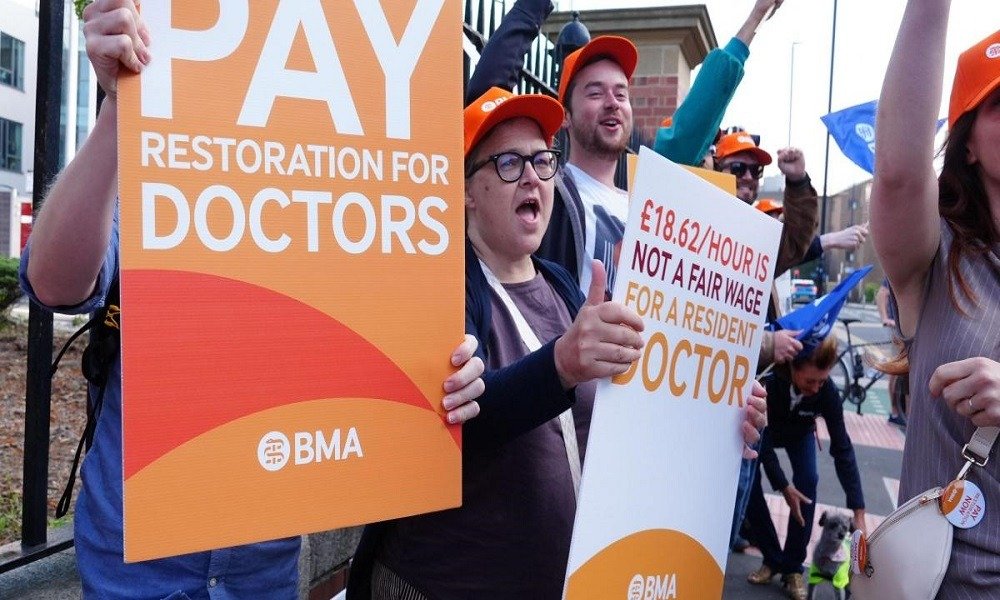
Scotland NHS Faces Disruption as Resident Doctors Approve Vote to Strike
NHS Scotland faces a tough spot right now. Resident doctors, the backbone of daily care, just voted by a huge margin to strike over pay cuts that have eaten away at their wages for years. This move could disrupt hospitals across the country and leave patients waiting longer for treatment.
These doctors work long hours, often pulling nights and weekends to keep services running. But frustration boiled over when the British Medical Association’s Junior Doctors Committee pushed for a ballot. The Scottish Government and NHS bosses now scramble to respond, as strikes might hit as early as next month in this pay dispute.
You might wonder how this affects you if you’re in Scotland. Let’s break it down step by step.
The Core of the Conflict: Pay Erosion and Real-Terms Cuts
Decades of Stagnation vs. Inflationary Pressures
Resident doctors in Scotland have seen their pay shrink in real terms for over a decade. Since 2008, they’ve faced a 26% drop when you adjust for rising costs. It’s like running on a treadmill that’s speeding up while your shoes wear out.
Inflation in the UK hit 11% in late 2022 and stays high into 2025. Food and rent costs soar, but doctor salaries lag behind. This leaves many feeling squeezed, unable to afford basics despite their vital role.
The cost-of-living crunch hits hard in Scotland. With energy bills up 50% in some homes, these workers demand fairness. They argue that without better pay, the system crumbles.
The Current Pay Offer vs. Demand
Doctors want a 35% rise to catch up on lost ground. That’s about £10,000 more a year for starting residents. The Scottish Government offered just 5% this year, calling it the max they can afford.
This gap feels wide. Back in 2008, a junior doctor’s basic pay started at £22,000. Today, it’s £32,000 nominal, but inflation wipes that out to feel like less.
Talks stalled because the offer ignores past cuts. Unions say it’s not enough to stop the exodus. Patients pay the price when staff burn out.
Impact on Recruitment and Retention in NHS Scotland
Low pay drives doctors away from Scotland. Many head to England or even abroad for better deals. This brain drain leaves gaps in hospitals from Glasgow to Aberdeen.
NHS Scotland struggles to fill posts. Last year, vacancy rates topped 10% for junior roles. Without fixes, waiting lists grow longer.
Think of it as a leaky bucket. You pour in training funds, but talent spills out. Stable pay could plug that hole and build a stronger team.
The Voting Process and Mandate Strength
How the Ballot Worked and Turnout Figures
The BMA Scotland ran the ballot online last month. Over 80% of eligible resident doctors voted, with 98% saying yes to strike. That’s a clear signal of anger.
This high turnout shows unity. In past votes, support hovered around 70%, but this one smashed records. It gives the union strong legal backing for action.
Doctors from all grades joined in, from foundation year one to specialists. The process took two weeks, with results announced December 10, 2025.
Pre-Strike Negotiations and Failure to Reach Agreement
Talks dragged on for months before the vote. The BMA met with Health Secretary Michael Matheson multiple times. They pushed for back pay restoration, but officials stuck to budget limits.
Key sticking points included how to calculate inflation losses. Doctors wanted full indexing; government offered phased increases over years. No deal emerged, so the ballot went ahead.
One last meeting in November failed when the offer stayed at 5%. Unions walked out, saying it undervalues their work. Now, strike dates loom.
Precedents Set by Other UK Nations
In England, junior doctors struck 10 times since 2023 over similar pay rows. They won a 22% deal after long fights. Scotland’s situation mirrors that but moves slower.
Wales saw strikes too, with a 15% offer accepted last year. Scotland lags with less progress. Governments there faced more pressure from walkouts.
This sets a pattern. Scottish doctors watch closely, hoping for a quicker win. But delays test patience on both sides.
Patient Safety and Service Disruption Concerns
Essential Service Provision During Industrial Action
Strikes in healthcare aren’t full shutdowns. Junior doctors plan to cover emergencies, like A&E and maternity. Consultants oversee urgent cases to keep lives safe.
Routine stuff pauses, though. Think canceled clinic visits or non-urgent scans. It’s like a snow day for hospitals essentials run, but electives wait.
During past actions, emergency response held up. But pressure builds on remaining staff. Safety stays first, per BMA rules.
The Hidden Costs of the Dispute
Canceled procedures pile up waiting lists. Scotland’s already at 800,000 backlog; strikes add more. Patients face delays in knees or hips.
Agency staff fill gaps at double pay, costing millions. Morale dips for nurses and others not striking. It strains the whole team.
Long-term, this hurts trust. You might skip check-ups, worsening health. The dispute ripples out.
- Longer waits: Up to months for routine care.
- Higher costs: Extra spending on temps.
- Staff burnout: Everyone works harder.
Government and Health Board Contingency Planning
The Scottish Government promises minimal disruption. They’ve stocked rotas with locums and redeployed seniors. Public alerts go out via apps and sites.
Health boards drill scenarios weekly. Focus stays on cancer and heart units—no pauses there. Officials say 90% of emergencies stay covered.
You can check NHS Inform for updates. Plans aim to shield the vulnerable. But no one denies risks if talks fail.
Perspectives from Key Stakeholders
The Junior Doctors Committee (BMA) Stance
The BMA calls this a fight for fair value. “We’ve lost a generation’s worth of pay,” their chair says. They want restoration to draw talent back.
Unions stress patient care ties to staff well-being. Tired doctors make errors; better pay means sharper focus. It’s about the NHS future.
Their message rings clear: Settle now or face chaos. They urge government to match England’s gains.
The Scottish Government and Health Secretary Response
Officials blame tight budgets from UK-wide cuts. “We can’t print money,” the Health Secretary notes. They point to 14% rises since 2022 as proof of effort.
Resistance comes from fiscal rules. Scotland’s health spend hit £16 billion this year, but pay eats half. They offer talks but hold the line at 5-7%.
Critics say it’s short-sighted. Government insists strikes hurt patients most. They call for union flexibility.
Patient Advocacy Group Concerns
Groups like Healthwatch Scotland back doctors but fear delays. “We get the frustration,” one rep says. “Yet care can’t stop.”
They push for quick deals to avoid backlogs. Sympathy runs high for staff, but access worries top lists. Surveys show 60% of patients side with medics.
Advocates urge mediation. They want both sides to prioritize you, the user of services.
Moving Forward: Potential Resolutions and Future Action
Pathways to De-escalation
A revised offer could halt plans. If government bumps to 20%, unions might pause strikes. ACAS mediation offers neutral ground.
Doctors need movement on back pay. Government seeks phased deals over three years. Compromise feels possible if talks restart soon.
Watch for emergency sessions. Both sides signal willingness, but time ticks down.
Long-Term Workforce Strategy Implications
This isn’t just pay—it’s planning failure. Scotland needs more training spots and retention perks. Low wages chase away grads from med school.
Fixes include tied scholarships or rural bonuses. Beyond cash, address hours and support. A strong workforce means better care for all.
Think big: Invest now to save later. Disputes like this highlight cracks in the NHS model.
Actionable Takeaways for Readers (Civic Engagement)
Stay informed via BMA or government sites. Sign petitions if you support fair pay many online now.
Talk to your MP about health funding. Check local NHS for appointment changes if strikes hit.
- Follow @BMAScotland on X for updates.
- Use NHS24 app for service alerts.
- Join patient forums to voice concerns.
Your input matters. Engage to push for balance.
Weighing the Cost of the Standoff
Scotland’s resident doctors strike vote spotlights a deep pay dispute tearing at NHS threads. Years of real-terms cuts fuel demands, while budget woes hold back offers. Patients face disruptions, from paused routines to strained emergencies.
This clash pits fair wages against service needs. Recruitment suffers, morale dips, and lists grow. Yet, precedents from England show deals can happen.
A short-term fix seems likely if talks heat up. But long-term, Scotland must rethink doctor support. The stakes? A healthier nation or ongoing crisis. Stay tuned your care hangs in the balance. What do you think? Share in comments below.