Dubai Civil Defence puts all 26 centres on 24-hour alert to respond to weather-related emergencies
In a proactive move to ensure the safety and security of its residents and visitors, Dubai Civil Defence has elevated its operational preparedness by placing all units on high alert. This strategic decision underscores the authority’s commitment to mitigating risks and responding swiftly to potential emergencies. As one of the most dynamic and populous regions in the world, Dubai’s emphasis on public safety remains a cornerstone of its governance strategy.
Understanding the Action: What “High Alert” Entails
When a civil defence force such as Dubai’s issues a high alert directive, it signals an increased state of readiness to address anticipated or potential threats. This typically involves deploying additional personnel, enhancing surveillance, and ensuring emergency resources are mobilized for rapid response. High alert status does not necessarily indicate an ongoing crisis but rather a precautionary measure to brace for unforeseen incidents.
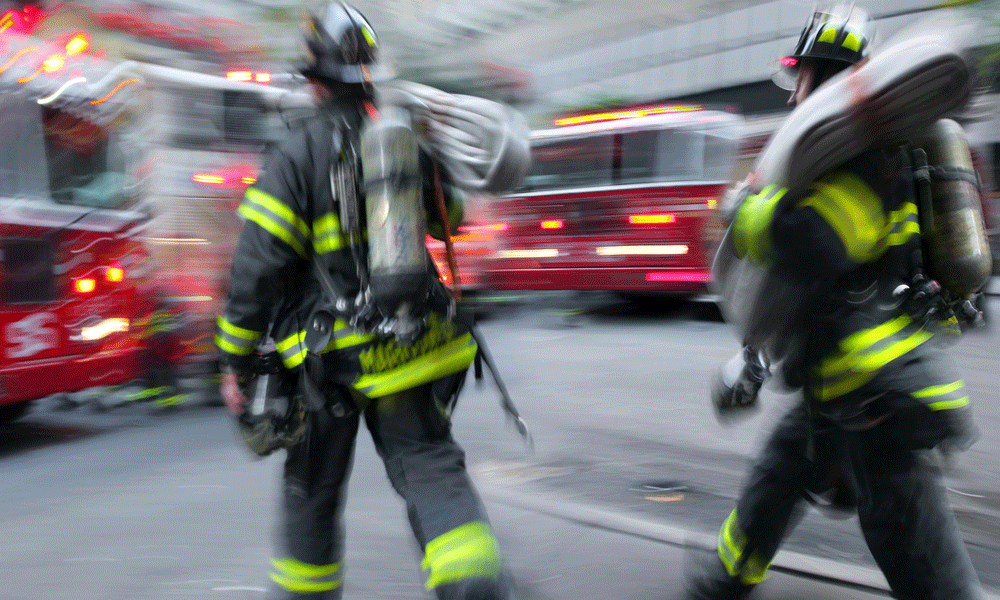
In Dubai’s case, this directive means that all 24/7 operational units including fire and rescue teams, medical rescue squads, and hazardous material response crews are now operating on standby for immediate deployment. Assets such as fire trucks, ambulances, drones, and emergency communication systems have been optimized to ensure seamless coordination during any crisis.
Context and Possible Drivers Behind the Alert
While Dubai Civil Defence has not disclosed specific details about the catalyst for this alert, several contextual factors could justify such a decision. These include:
- Upcoming Major Events: Dubai frequently hosts high-profile events such as the Dubai World Expo, Formula 1 races, and the Dubai Shopping Festival, which attract millions of visitors annually. Such gatherings inherently heighten demands on emergency services.
- Extreme Weather Conditions: The UAE experiences extreme summer temperatures and occasional weather disruptions like dust storms. Civil Defence often preemptively enhances readiness during heatwaves or monsoon season.
- Geopolitical or Security Concerns: As a global hub, Dubai remains vigilant against potential security threats. High alert status could coincide with regional instability or intelligence reports prompting precautionary measures.
- Seasonal Hazards: Peak tourist seasons, construction activities, or holidays (e.g., Eid celebrations) can increase accident risks, prompting closer monitoring.
Regardless of the precise reason, Dubai Civil Defence’s proactive approach aligns with international best practices for risk management.
Measures Implemented under the High Alert Protocol
To operationalize the high alert, Dubai Civil Defence has taken a multi-pronged approach:
- Enhanced Staffing and Resource Allocation: Emergency units are working in rotating shifts to ensure full coverage. Specialized teams have been dispatched to critical infrastructure areas such as airports, malls, and industrial zones.
- Advanced Surveillance and Monitoring: Surveillance systems, including CCTV networks and drone patrols, have been expanded to monitor crowded spaces and potential hotspots.
- Inter-Agency Collaboration: The authority is coordinating closely with entities like Dubai Police, Dubai Health Authority, and the Roads and Transport Authority to ensure a unified response.
- Public Communication Campaigns: Citizens and residents are being urged to stay informed through official channels, including the Dubai Civil Defence website, social media platforms, and the Dubai Alert mobile app.
These measures reflect a systemic and technology-driven approach to crisis management.
Dubai Civil Defence: A Pillar of Public Safety
Dubai Civil Defence, established in 1985, is renowned for its cutting-edge infrastructure and rapid response capabilities. With over 7,500 personnel, the authority oversees fire protection, disaster response, civil protection, and emergency medical services. Its state-of-the-art facilities, such as the Dubai Fire and Rescue Academy and the Hazmat Incident Response Centre, underscore its commitment to readiness.
The authority has successfully managed numerous incidents, from structural fires and floods to medical emergencies during large-scale events. Its integration with smart city initiatives such as AI-driven emergency dispatch systems has set global benchmarks for public safety.
Impact on the Public and Businesses
The high alert status is designed to minimize disruptions to daily life while ensuring maximum preparedness. For residents and businesses, it serves as a reminder to adhere to safety protocols:
- Public Awareness: Citizens are encouraged to avoid risky behaviors, such as illegal firework use during the peak summer. Fire safety guidelines for residential and commercial buildings are being reinforced.
- Business Preparedness: Companies, particularly in industries like construction and hospitality, are advised to review emergency plans and ensure fire safety systems are functional.
- Community Engagement: NGOs and volunteer groups are being mobilized to assist in awareness campaigns and community drills.
By fostering a culture of preparedness, Dubai aims to turn potential vulnerabilities into collective strengths.
The Role of Technology in Crisis Management
Dubai Civil Defence leverages advanced technology to enhance its response capabilities. Thermal imaging cameras, artificial intelligence for hazard prediction, and real-time data analytics play a pivotal role in optimizing decisions. For instance, AI models can predict fire breakout hotspots in crowded areas, enabling preemptive action. Additionally, the Dubai Operations Centre (DOC) serves as a command hub, integrating data from across the city to manage resources efficiently.
A Call for Public Cooperation
While Dubai Civil Defence is equipped to handle emergencies, the role of the community cannot be overstated. Residents are urged to:
- Report Hazards: Immediately contact emergency services (999) for any signs of fire, gas leaks, or structural issues.
- Participate in Drills: Businesses and households should conduct regular fire drills and ensure evacuation routes are clear.
- Stay Informed: Monitor official communication channels for updates and alerts.
Collective vigilance is the bedrock of Dubai’s public safety strategy.
Conclusion: A Testament to Resilience
The decision to place all units on high alert illustrates Dubai Civil Defence’s dedication to proactive governance. By combining advanced technology, experienced personnel, and community collaboration, the authority continues to set a global standard for crisis preparedness. As Dubai navigates the challenges of urbanization and global connectivity, this vigilance ensures the safety of its diverse population.
For residents and visitors alike, the high alert serves as both a reassurance and a reminder of the importance of individual responsibility in maintaining public safety. In the face of uncertainty, Dubai’s commitment to resilience remains unwavering a testament to its vision of a secure and thriving city.
As we move forward, the collaboration between the authorities and the community will be vital in turning challenges into opportunities for collective growth. Let us all play our part in supporting Dubai’s mission to be a beacon of safety and innovation.